
How We Make Videos
Every Vasrue video starts with the story, not the software. This page lays out the process behind the portfolio: what we do, in what order, the rules we don’t break, and the tools we use. Every example links to a real project.
Creative Director & Video Editor: Clinton Douglas IV · Company: KSD GovCon LLC DBA Vasrue Digital Media
The style, in plain words
The footage leads. A church film is quiet and reverent; a football reel is loud and fast; a listing reel moves the way a buyer would walk the house. We match the pace to the subject and to the client’s own taste, not to a house template.
- Story before effects. Nothing on screen is there to show off. Titles, captions, maps and motion each have a job.
- The picture changes when the story changes. A long, still hold when the moment needs it. A fast cut when the energy does.
- Honest material. No padding, no fake length, no invented features. A property stays the property; a speaker’s words stay his words.
- Keep the whole picture. Vertical footage stays vertical when that is its best shape; horizontal footage is reframed around the action when the platform is vertical.
- Clean and finished. Graded color, leveled sound, licensed music and correct credits on every delivery.
- AI as an accelerator, never the director. It speeds up the work. A person makes every creative decision, and AI imagery is always disclosed.
The process, step by step
- Read the brief, then read the footage. Every clip is logged before we promise a length or a look. On the St. Mary Church Story, logging showed 28 vertical HDR clips that would make a four-minute film at normal pace, so the plan changed before the edit began. On the Prescott listing reel, all 37 raw clips were logged and mapped against the music before a single cut. Seen in: St. Mary Church Story · Prescott listing reel
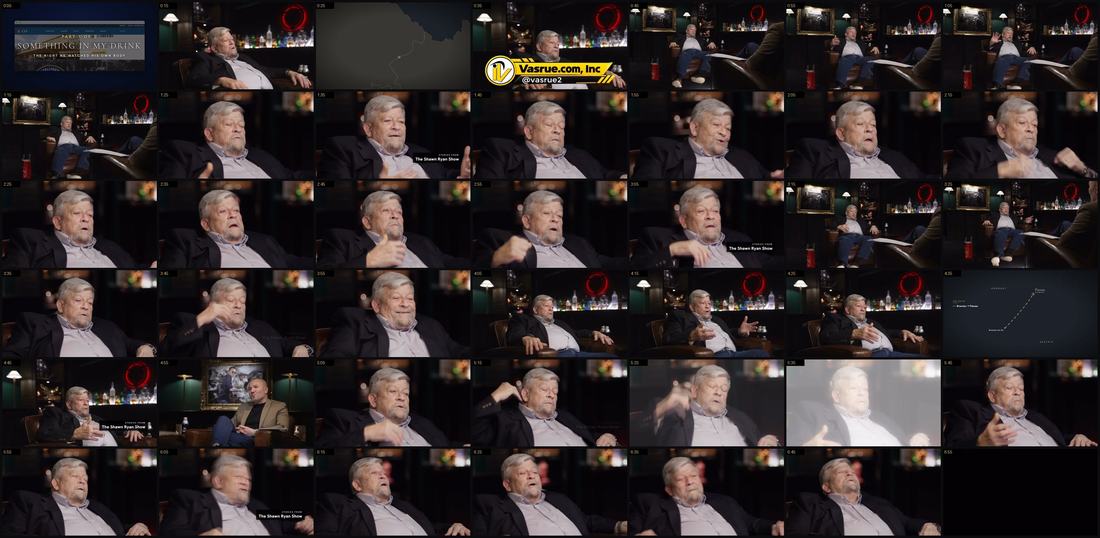
- Find the story before touching the tools. Long recordings are transcribed word for word, then mapped: where each story starts and ends, the strongest lines, what a viewer needs to know. A six-hour interview became 69 mapped stories, with all 304 quoted lines checked against the transcript. Listing photos are cataloged by room and built into a walkthrough before any AI is used. Seen in: Six Hours of Interview · The Camino · They Were Just Photos?
- Choose the frame for the screen it will live on. Vertical for Reels, Shorts and TikTok; 16:9 for long-form YouTube. Footage shot one way is reframed around what matters, or kept whole when cropping would throw the picture away. Seen in: St. Mary Church Story · Youth football hype reels · They Were Just Photos?
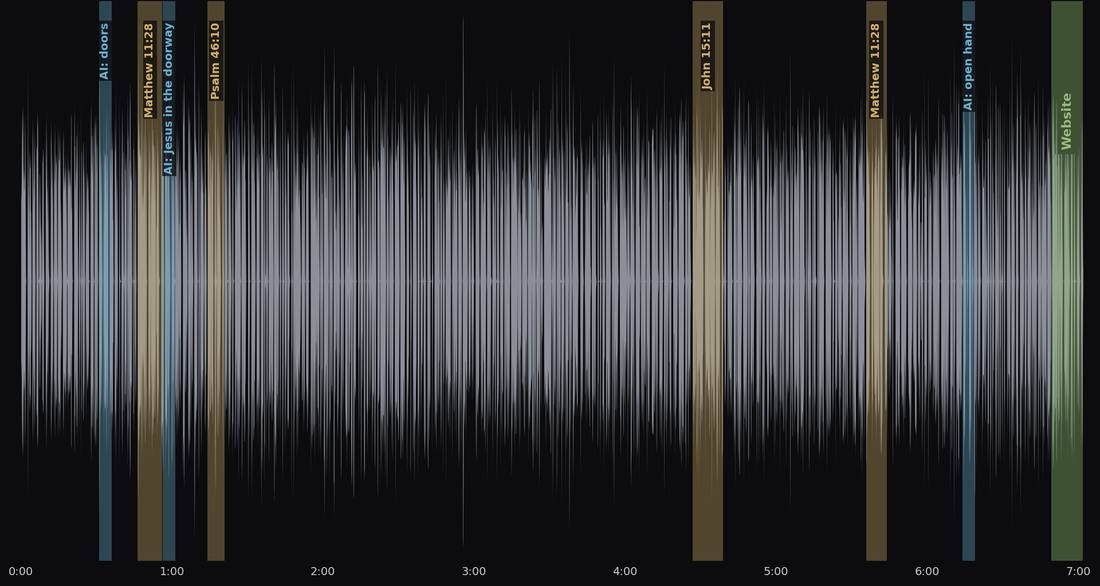
- Cut to a clock. Every edit has something it keeps time with: the beat grid of the music (25 hard cuts on the beat in the Prescott reel), the client’s narration (every verse card and AI scene in the St. Mary film is placed on his words), or the speaker’s own words (interview cuts land between spoken words, never through them). Seen in: Prescott listing reel · St. Mary Church Story · Six Hours of Interview
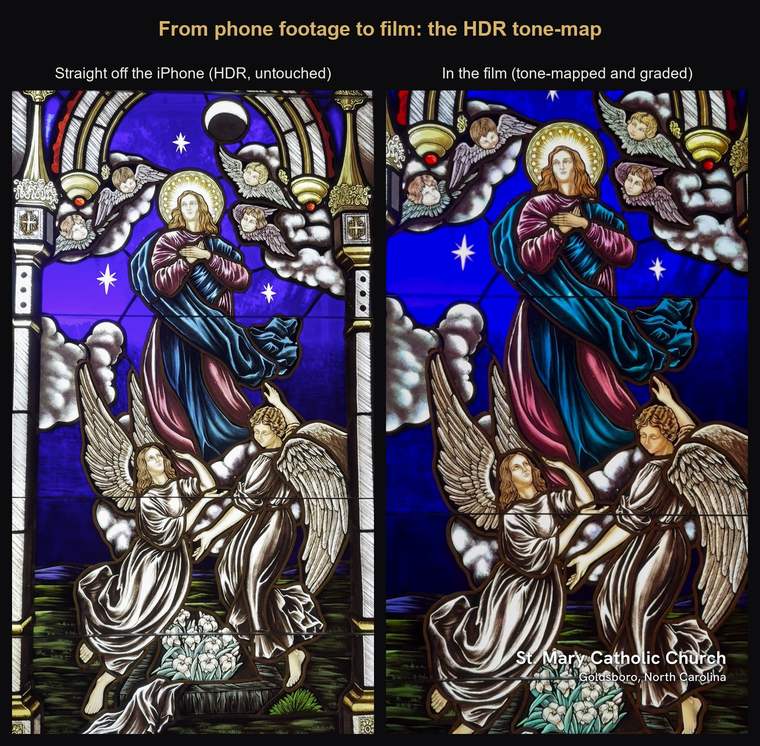
- Measure color and sound instead of eyeballing them. Two cameras are matched to one measured grade target. Phone HDR is tone-mapped so stained glass reads true. Music is ducked from the voice timing, and every master is measured for loudness: about −14 LUFS or −16 LUFS for YouTube, with the voice always on top of the music. Seen in: Prescott listing reel · St. Mary Church Story · The Camino
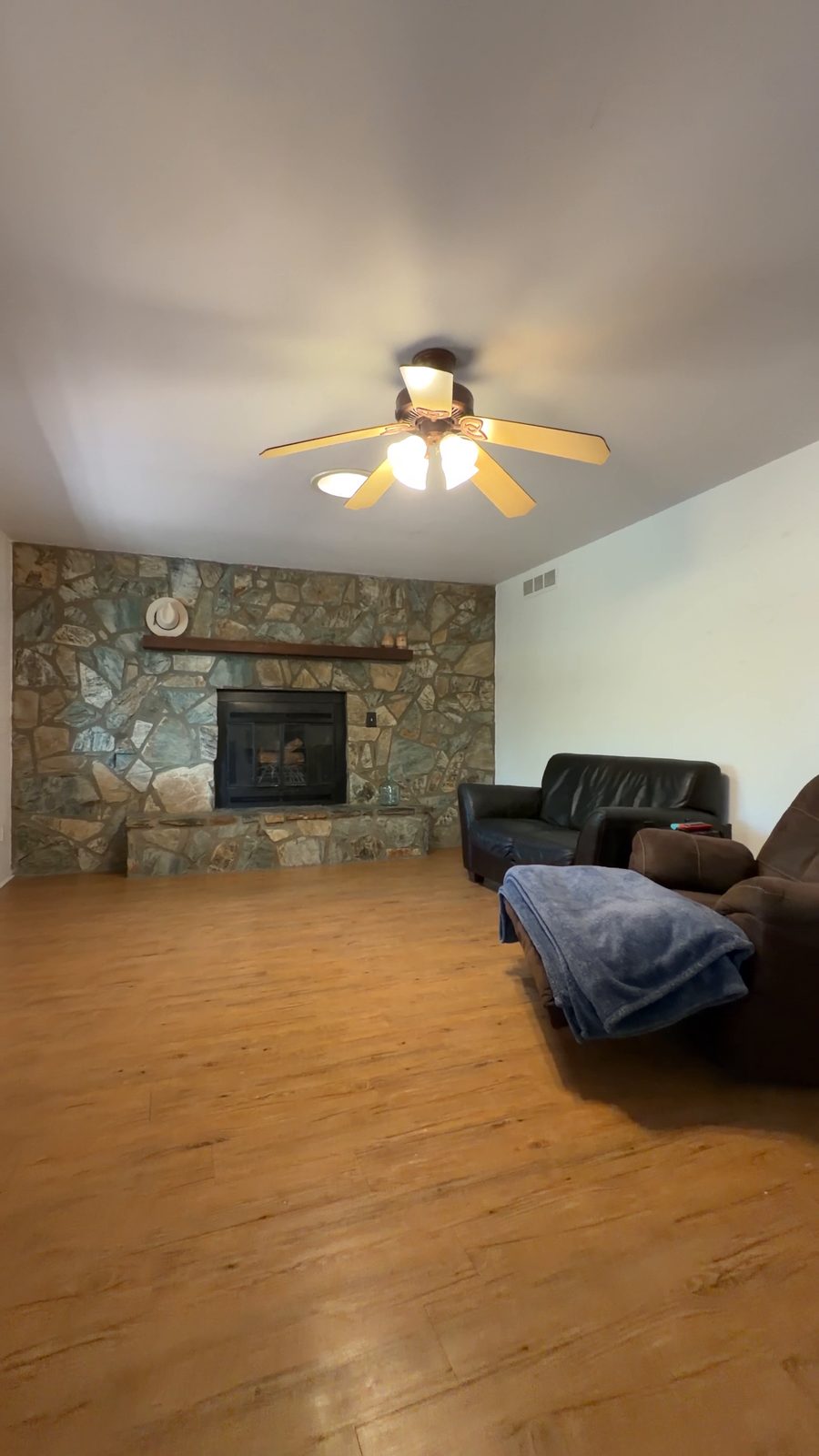
- Use AI where it earns its place, and say so. AI stills come first and are approved before anything is animated. A house is never redesigned. Staged rooms keep their architecture. In a faith film, AI scenes appear only where the narration calls for them, and a version without them is delivered too. Seen in: They Were Just Photos? · Prescott listing reel · St. Mary Church Story
- QC before the client sees it. Drafts are checked against numbers, not just watched. The St. Mary first draft failed our own check (a 2.4-second hole in the music) and was fixed before the client saw it. Every one of the Camino film’s 49 cuts was checked at its first, middle and last frame, and all 14 interview lines passed a lip-sync check. Seen in: St. Mary Church Story · The Camino
- Numbered versions, clear choices, clean delivery. Review copies are numbered and marked as proofs; delivered masters carry no marks. The Prescott client reviewed six numbered versions. The St. Mary client received four clean versions to choose from, with the music licenses and a plain guide to each file, sent the way he could open them. Seen in: Prescott listing reel · St. Mary Church Story
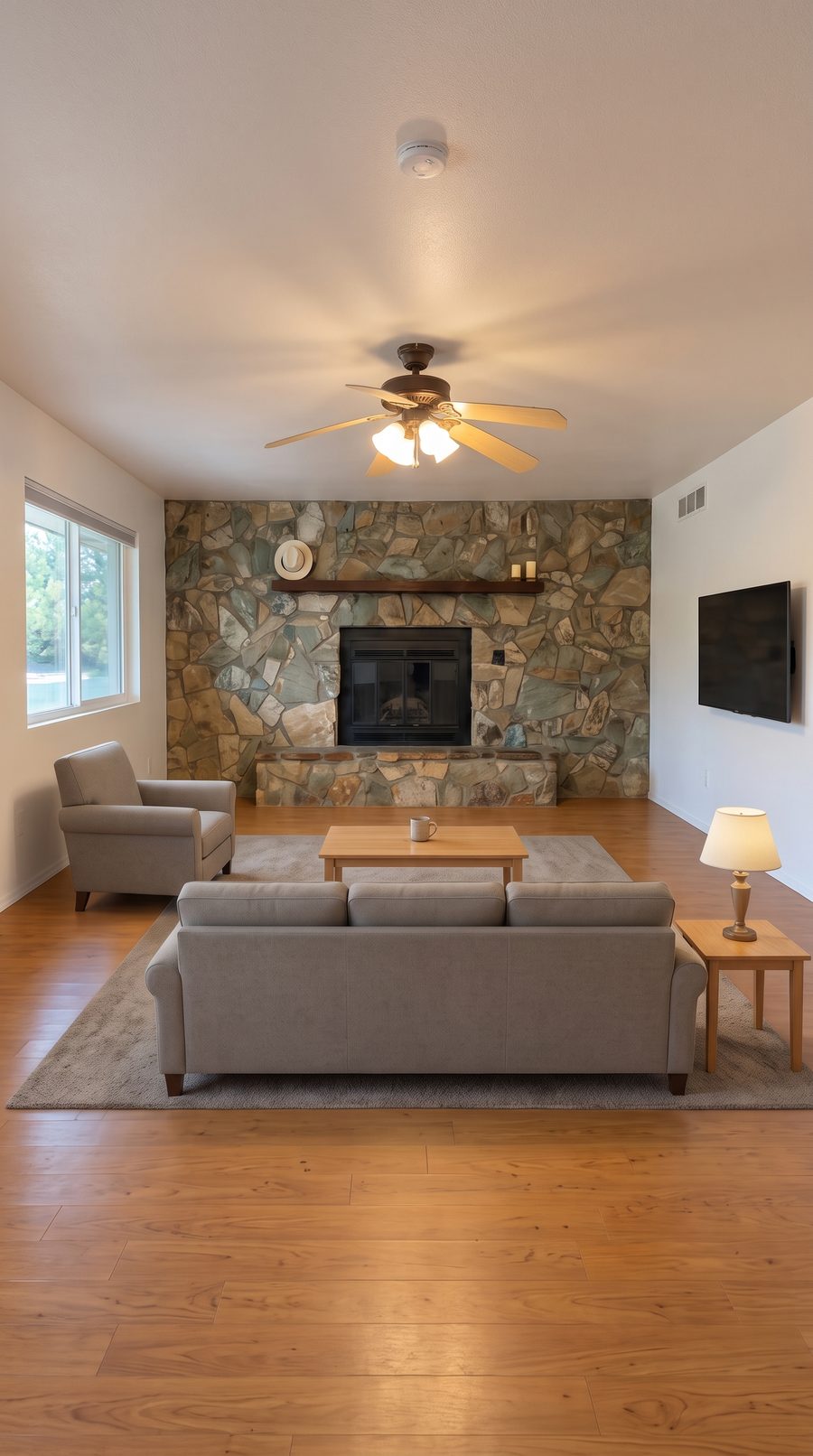
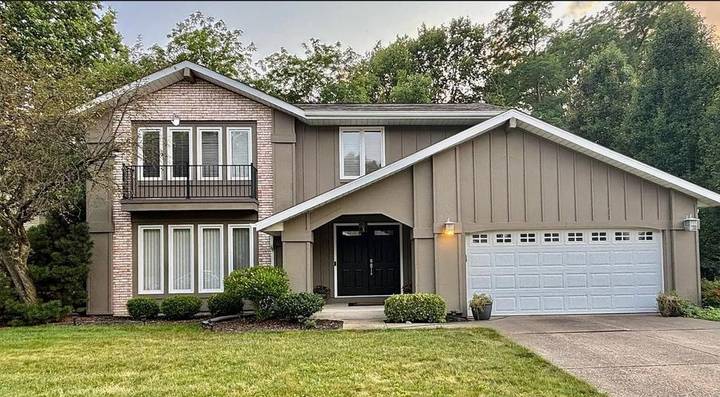
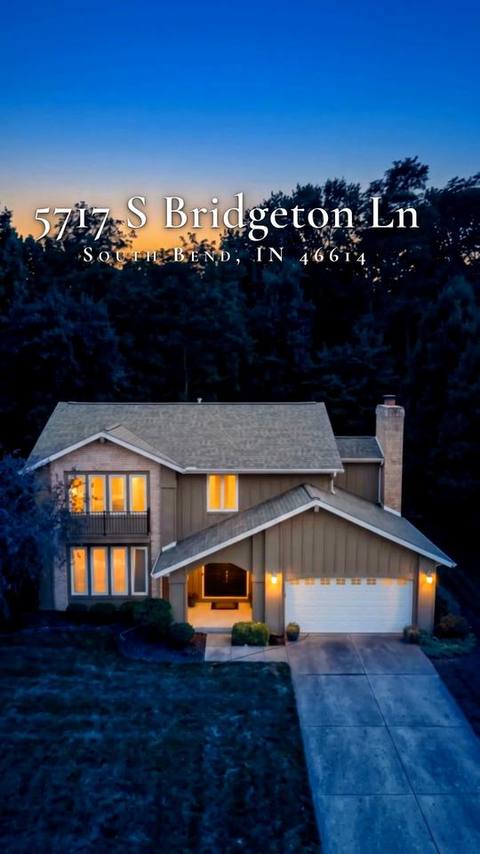
What it looks like behind the scenes
The rules we don’t break
On the work
- Every music track is licensed, and its license is logged before it goes into an edit.
- Every creator, composer and archive source is credited by name.
- AI imagery is disclosed, on the page and to the client.
- A speaker’s words are never put in his mouth, and a property is never shown as something it isn’t.
- Scripture, a speaker’s key line or a brand’s message is never covered by our own marks.
On working together
- When a fact is unclear, we ask instead of guessing.
- Plain words and clear choices, one question at a time.
- Files are sent the way the client can open them.
- Nothing changes between versions without a reason we can name.
- No invented results: no views, leads or sales claimed unless they are real.
The toolkit
Tools change. The decisions don’t. These are the tools behind the recent work, used under Clinton’s direction:
| Transcription and timing | Cloud transcription (Amazon Transcribe) for word-level timestamps, so cuts, captions and verse cards land on the right word |
|---|---|
| Story research | AI-assisted transcript research and story mapping, with every quote checked against the transcript |
| Editing and rendering | Code-driven editing in a Remotion-based engine, rendered in the cloud on AWS Lambda; ffmpeg for conforms, stabilization and HDR tone-mapping |
| AI imagery and motion | Higgsfield for AI stills and for animating approved stills into short clips |
| Music | Licensed tracks from Pixabay, logged with their certificates; beds extended seamlessly to the film’s length |
| Review | Frame.io or Vimeo review links, numbered versions, proof marks on drafts only |
| Quality control | Loudness readings, contact sheets, frame-freeze and judder scans, lip-sync checks and a final watch of every film |
“The AI makes the workflow faster. The decisions are mine.”
— Clinton Douglas IV
See the process in the work
| St. Mary Church Story | Reverent documentary from 28 silent phone clips; picture first, then cut to the client’s voiceover; Scripture on screen |
|---|---|
| They Were Just Photos? | 22 listing photos to a cinematic vertical tour, with a 12-minute behind-the-scenes film |
| Six Hours of Interview. Two Short Films. | Transcript-first research, 69 mapped stories, two documentary films |
| The Camino — Why They Walk | Seven creators’ footage shaped into one story in under 24 hours |
| Prescott listing reel | Client footage cut to a written brief on a beat grid, with virtual staging and object removal |
| Youth football hype reels | 25 minutes of game coverage reframed into three vertical reels |
What to send us
- The footage or photos you have, even from a phone
- Where the video will live: YouTube, Reels, TikTok, a website
- The route, the shot order or the story you have in mind, even one sentence
- Narration or a script, if you have one (if not, we can cut picture first)
- An example of a video you like
- Your deadline
You have the footage. Let’s find the story in it.
Send the project details and Vasrue will review the request.